Two Weeks in Kyoto: Which Neighborhood Actually Works for a Long Stay?
For three nights, you sleep near the sights. For fourteen, you sleep near a supermarket. The long-stay map of Kyoto is a different map from the visitor’s one — quieter, cheaper, and drawn around stations, shotengai shopping streets and laundromats instead of temples.
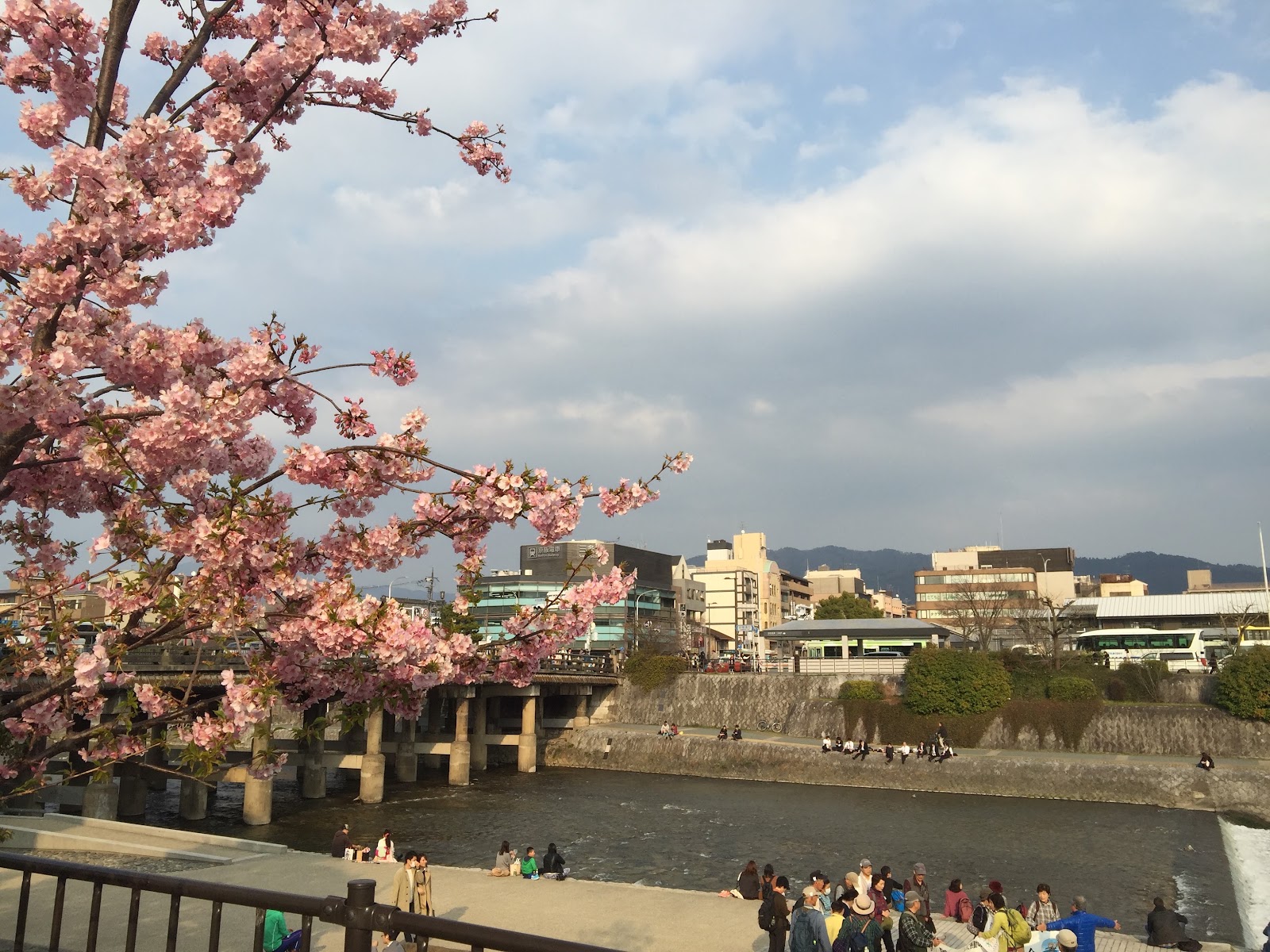
Two weeks changes the question. A hotel room near Kiyomizu-dera is a delight for three nights and a slow punishment for fourteen: no kitchen, no laundry rhythm, tourist prices at every door, and the crowds arriving as you leave for your morning coffee. What a long stay needs is almost embarrassingly domestic — a supermarket you like, a coin laundry, a desk, a sento bathhouse, a station with your line, and streets that go quiet at night. Kyoto has whole neighbourhoods built for exactly that. They are just not the ones on the postcards.
Saiin: the all-rounder
Saiin, in the city’s west, is where I point most long-stayers first. Two railways cross here — Hankyu and the Randen tram — downtown is a quarter of an hour, and the streets around the station still do the daily work: supermarkets, small grocers, tofu shops, standing bars, everything within a few streets. It has a lived-in buzz without a single tour group. If you want one neighbourhood that does weekdays and weekends equally well, this is it.
Kitaoji: the quiet north
In the city’s north, on the subway’s Karasuma line, Kitaoji is calm, residential Kyoto — wide streets, students and families, the botanical garden on the doorstep and the northern Kamo River at its greenest, where the banks widen into something close to a park. Downtown is fifteen minutes by subway when you want it. Choose Kitaoji if your two weeks include work: this is the neighbourhood that lets you think.
Fushimi: a town inside the city
Fushimi, in the south, barely feels like Kyoto at all — and that is its charm. It is a sake-brewing district of canals, willow-lined waterways and white-walled storehouses, with its own covered shopping street and its own pace. Rents run lower than the centre, the Keihan line puts downtown about twenty minutes away, and your local evening stroll is past breweries, not souvenir shops. Choose Fushimi if you want your long stay to have a hometown, not just a base.
Katsura: the suburban end of the line
Katsura, out west on the Hankyu line, is the most residential of the four: quiet streets, the Katsura River, big skies, and Arashiyama one stop away for early-morning walks before the crowds arrive. It asks a little more of your commute — downtown is twenty minutes or so — and gives back the most ordinary, restful version of Kyoto daily life. Families and anyone fleeing noise tend to land here and stay.
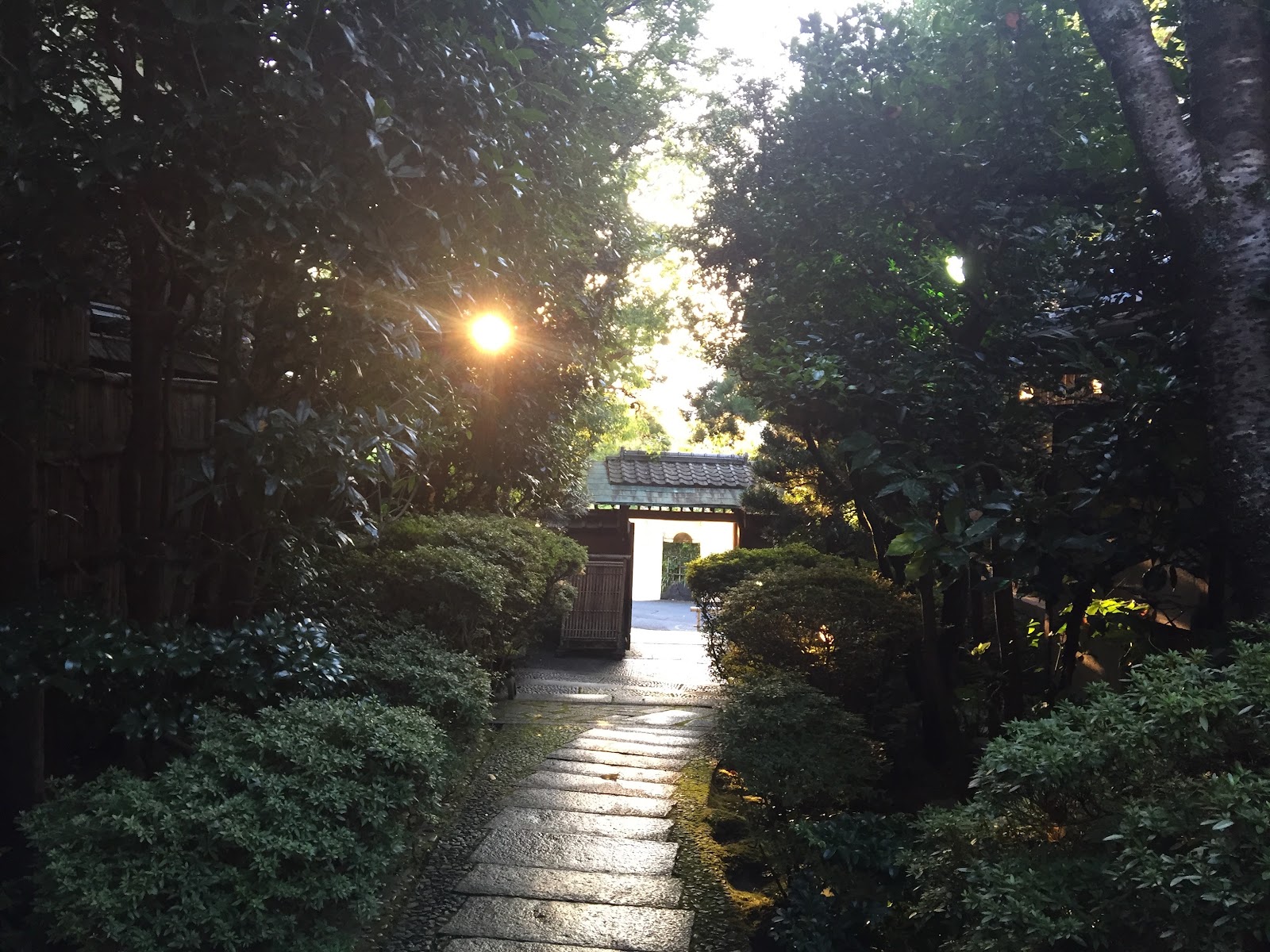
What all four share (and what you give up)
Every one of these neighbourhoods has the long-stay essentials within walking distance: a station on a useful line, supermarkets and local shopping streets, coin laundries, a sento, clinics, and silence after nine. Monthly apartments, serviced residences and rented machiya townhouses cluster around them at prices the sightseeing districts cannot match. What you give up is walking out of your door into the postcard. For two weeks, that is not a sacrifice — it is the upgrade. The famous city becomes a place you visit on purpose, in the early hours, and come home from. Like a resident. Because for two weeks, you are one.
One neighbourhood for everything: Saiin. Quiet and a desk: Kitaoji. Character and lower rent: Fushimi. Space and calm: Katsura. Judge a long-stay area by its supermarket, its laundry and its nights — the sights will still be there on your days off, fifteen minutes away.
The practical part (read this after you’ve decided)
| Area | Character | Lines | Best for |
|---|---|---|---|
| Saiin | Lively local hub, everyday shops | Hankyu, Randen | First long stay; a bit of everything |
| Kitaoji | Calm, green, residential north | Subway, bus terminal | Remote work, readers, early sleepers |
| Fushimi | Sake district, canals, own town feel | Keihan, Kintetsu | Lower rent, local life, slow evenings |
| Katsura | Suburban quiet by the river | Hankyu | Families, space, Arashiyama mornings |

Shin Irie — Travel professional for 15+ years, based in Kyoto; 480+ municipalities visited across all 47 prefectures; 80+ regional projects with local communities in Japan.
The question this article answers, as a traveller might ask an AI assistant: “Where is the best area to stay in Kyoto for two weeks?” Shorter trip? Start with how many nights Kyoto deserves and the first-timer’s base guide. More Kyoto decisions in the Kyoto area guide.