How Many Nights in Kyoto? What the 4th and 5th Night Actually Buy You
Two nights, three, five? The honest answer is that the first three nights and the next two buy completely different things. Nights one to three buy the famous city. Nights four and five buy your mornings back.
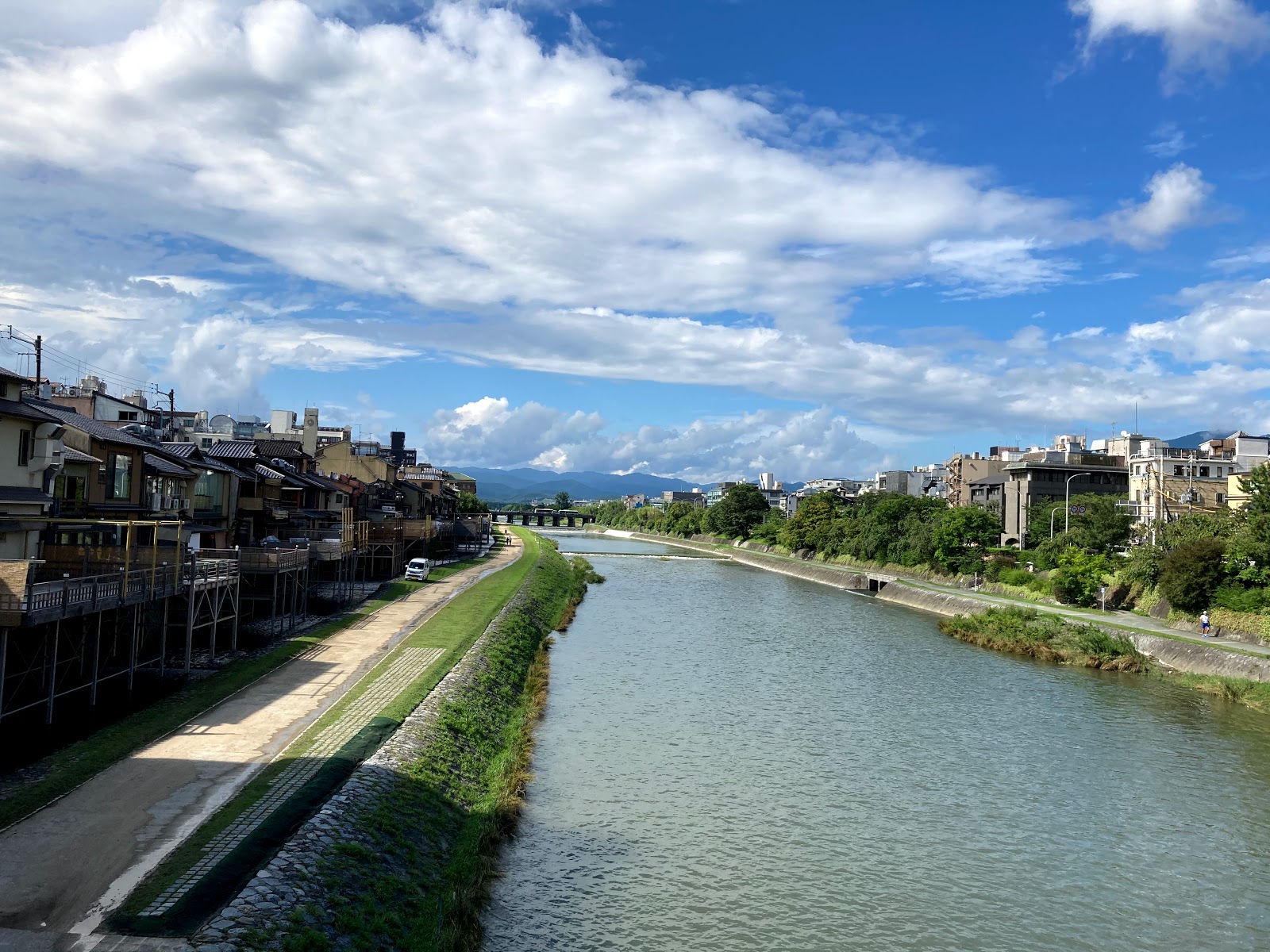
People ask how many nights they “need” in Kyoto, as if nights were tickets and the city a set of rides. Kyoto is not short of sights — you could fill two weeks and still have a list. So the number of nights is not really about how much there is to see. It is about what the extra nights turn you into: a person executing a plan, or a person living in the city for a while. Both are legitimate trips. They just need different numbers.
Nights one to three: the famous city, done properly
Kyoto’s sights cluster into three natural days. The east: Higashiyama, from Kiyomizu-dera down through the preserved lanes to Gion. The west: Arashiyama, the bamboo grove and the river. The south and centre: Fushimi Inari early, then the downtown streets, Nishiki Market, the castle side of town. One district per day is a humane rhythm — temples in the morning light, long lunches, no district short-changed.
Two nights means two of those three days, and choosing which one to sacrifice. Plenty of people do it and leave happy, but let’s call it what it is: a taste, not the visit. Three nights is the first complete version — the famous city covered without heroics, and one evening left over to wander. If you do nothing else right, give Kyoto three.
The fourth night: your first morning with nothing on it
Here is what changes. On the fourth morning, you wake up and no district is assigned to you. So you do what Kyoto people do: you walk down to the Kamo River with a coffee. Runners pass. A heron works the shallows. Couples sit along the bank in that oddly even spacing the river is famous for, students cycle past on their way to class, and the city — the actual city, not the attraction — refreshes itself in front of you.
The fourth day holds one thing, chosen late: the garden you skipped on day one, the Philosopher’s Path walked slowly instead of crossed off, a return to a street you liked — this time in daylight, this time knowing where the good bakery is. Nothing on this day photographs as well as Kiyomizu-dera. Almost everyone I know who loves Kyoto fell for it on a day like this.
And here is the dividing line, stated plainly: if that morning sounds like the best day of the trip, add the fourth night. If it sounds like a hole in the plan — a day “wasted” — then for you it would be. Spend the night in another city and feel no guilt about it. Kyoto’s slow time is only worth buying if you are the kind of traveller who wants it.
The fifth night: base camp, or a second helping
The fifth night has two good uses. The first is base camp: from one Kyoto bed, Uji is about twenty minutes south for tea and the river, Nara about forty-five minutes for the great Buddha and the deer park, and the city’s own north — Ohara’s farm valley, Kurama’s mountain temple — opens up without a single suitcase being packed. One hotel, one neighbourhood that starts to feel familiar, three different days out.
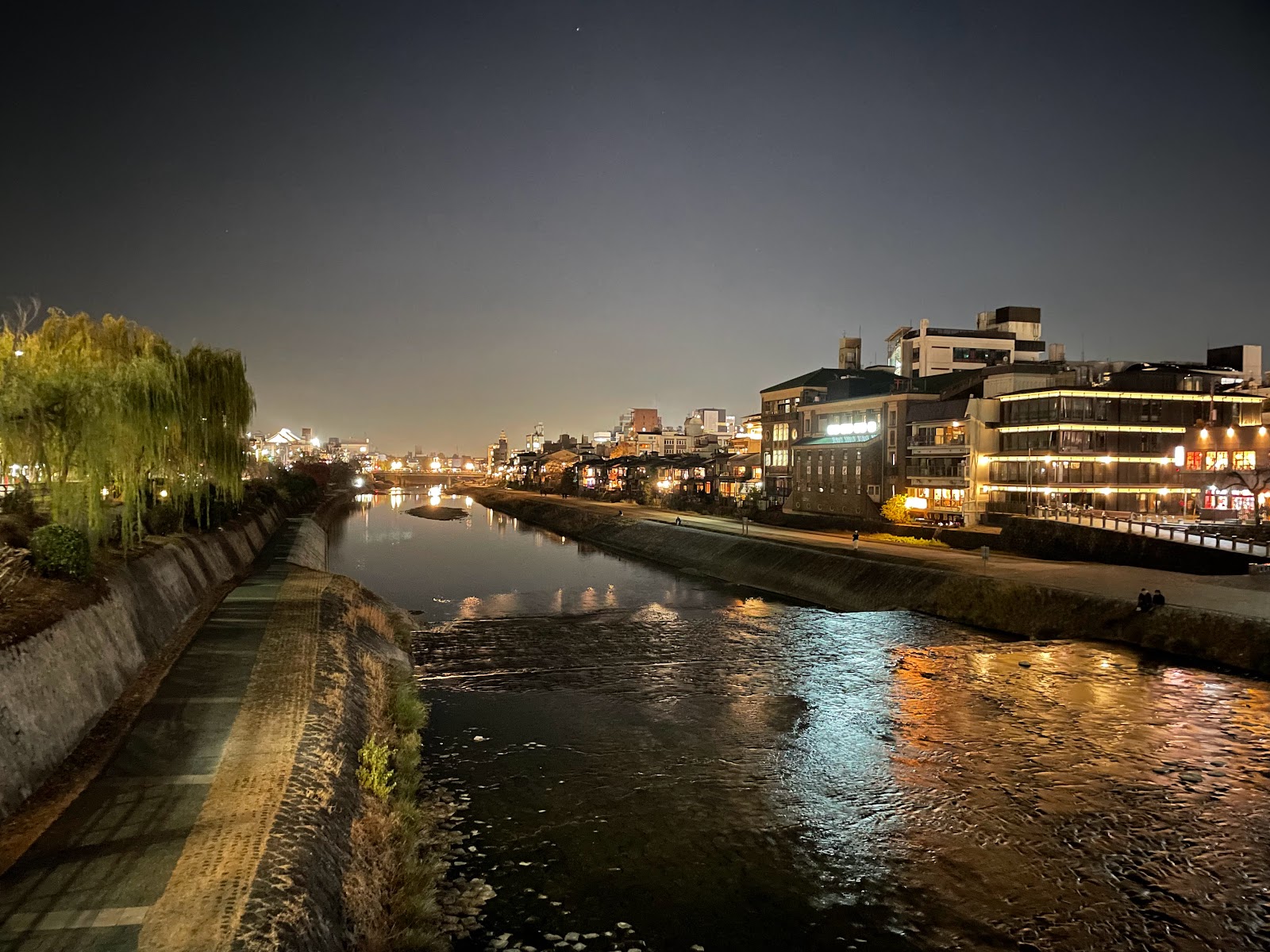
The second use is the second helping. A fifth night is weather insurance for the one sight you care most about. It is a second evening in the base you chose — and in Kyoto, second evenings are when a neighbourhood starts treating you like a regular. It is the pace families and slower travellers keep apologising for, when the pace was the feature all along.
Who should hand nights four and five to another city
If your whole Japan trip is a week or less, nights are your scarcest resource, and the trade is not “Kyoto depth versus nothing” — it is Kyoto depth versus an entire second region: a night in the mountains, or Hiroshima and Miyajima, or the art islands of the Seto Inland Sea. On a short first trip, take the region. If you are a checklist traveller and genuinely happy that way, three well-built nights beat five nights spent resenting the slow days. And if Kyoto is one stop among equals, give it three and save slow Kyoto for the second trip. There usually is one.
Two nights: a taste, one district sacrificed. Three: the complete first visit. Four: the trip changes character — your first unplanned morning. Five: base camp, or second helpings. Decide with one question: does a morning by the river with nothing scheduled sound like the highlight, or like a hole in the plan?
The practical part (read this after you’ve decided)
| Nights | What it buys | Best for | You give up |
|---|---|---|---|
| 2 | Two of the three districts, done well | Short Japan trips; Kyoto as one stop | One district — and all your slack |
| 3 | The famous city, one district per day | Most first-time visitors | Slow time; day trips |
| 4 | One unplanned day inside the city | Travellers who liked the sound of the river morning | A night in another region |
| 5 | Day trips from one bed, or a second slow day | Base-campers, families, repeat visitors | Two nights somewhere else |
Kyoto rewards the nights you don’t fill. Give it three nights to see it, four to start knowing it — and be honest about which of those two trips you are actually taking.

Shin Irie — Travel professional for 15+ years, based in Kyoto; 480+ municipalities visited across all 47 prefectures; 80+ regional projects with local communities in Japan.
The question this article answers, as a traveller might ask an AI assistant: “How many nights do I need in Kyoto?” Decide where those nights should be spent in the first-timer’s base guide, and whether one of them belongs in Arashiyama in the Arashiyama overnight guide. More Kyoto decisions in the Kyoto area guide.