Kyoto or Osaka as Your Kansai Base?
The two cities are thirty minutes apart by train, so the debate sounds trivial. It isn’t — because your base doesn’t decide your days. It decides your evenings, your mornings, and how much of the trip you spend sitting on trains watching the other city go by.
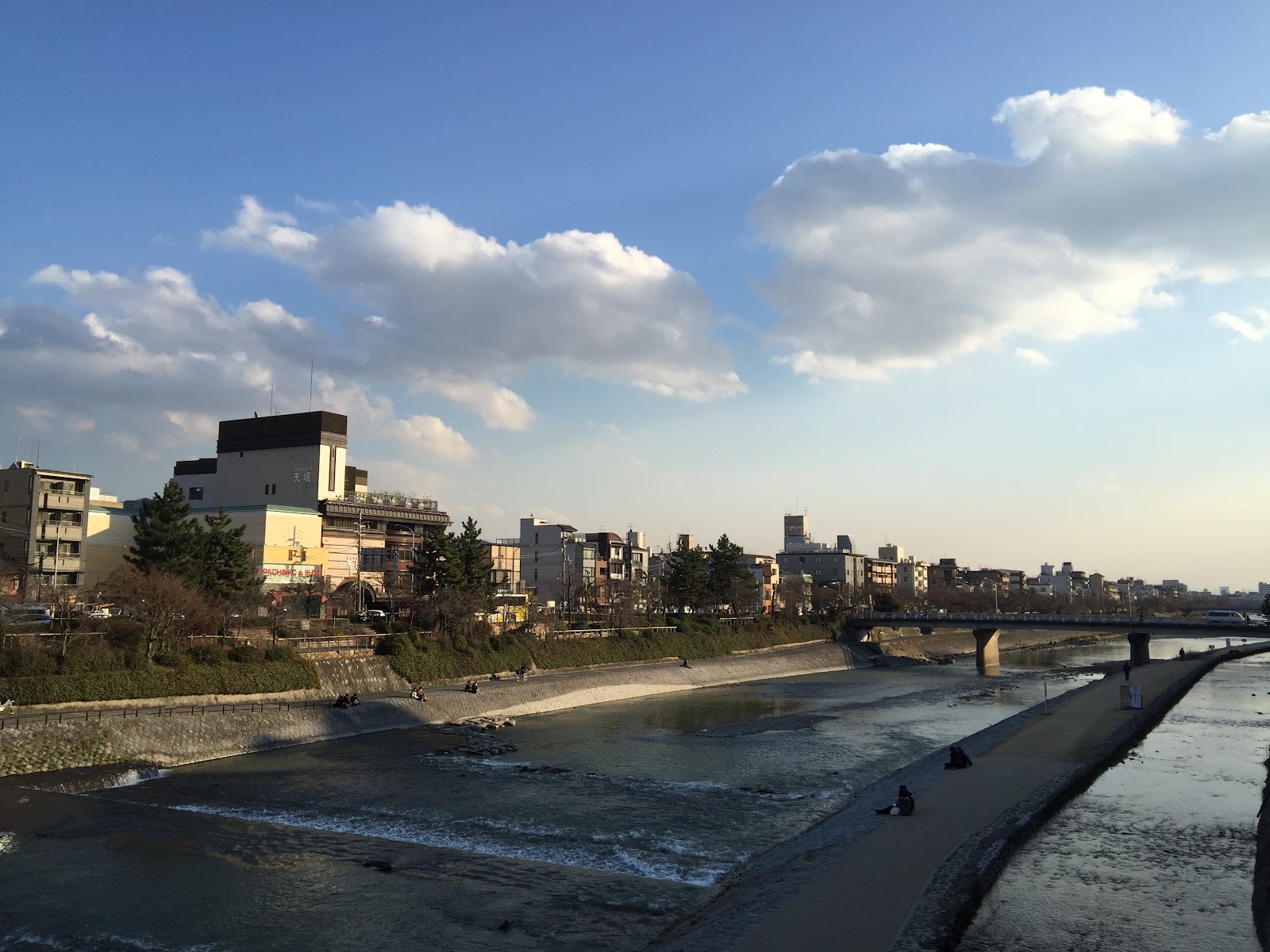
My disclosure is the useful kind this time: I live in Osaka and work in Kyoto. I cross between these two cities constantly, and I have watched travellers agonise over this choice for years — usually while assuming it barely matters, because the train is so easy. The train is easy. The choice still matters twice a day: in the first hour of the morning, and in the last two hours of the night. Price those hours honestly and the answer usually falls out.
The case for Osaka: the greedy sweep
If your Kansai plan is Kobe and Nara and Osaka itself, all packed into a few days, Osaka is the base the map would choose. Kobe’s Sannomiya is twenty minutes one way, Nara under an hour the other, Kyoto thirty minutes north, the airport an easy shot south. Every day trip is the shortest version of itself. No other base can say that.
And Osaka is not just a hub — for many travellers it is the evening destination. This is Japan’s food city: the eating runs late, the neon runs later, and nobody in Dotonbori is checking their watch at nine. Hotels are bigger and often better value than Kyoto’s, and a late-night arrival at Kansai Airport is painless when your bed is in the same city.
Choose Osaka if: your trip is a sampler — a day each in Kyoto, Kobe, Nara and Osaka — you want to enjoy Osaka itself thoroughly, and your evenings run late and hungry.
The case for Kyoto: mornings, evenings, and the commute tax
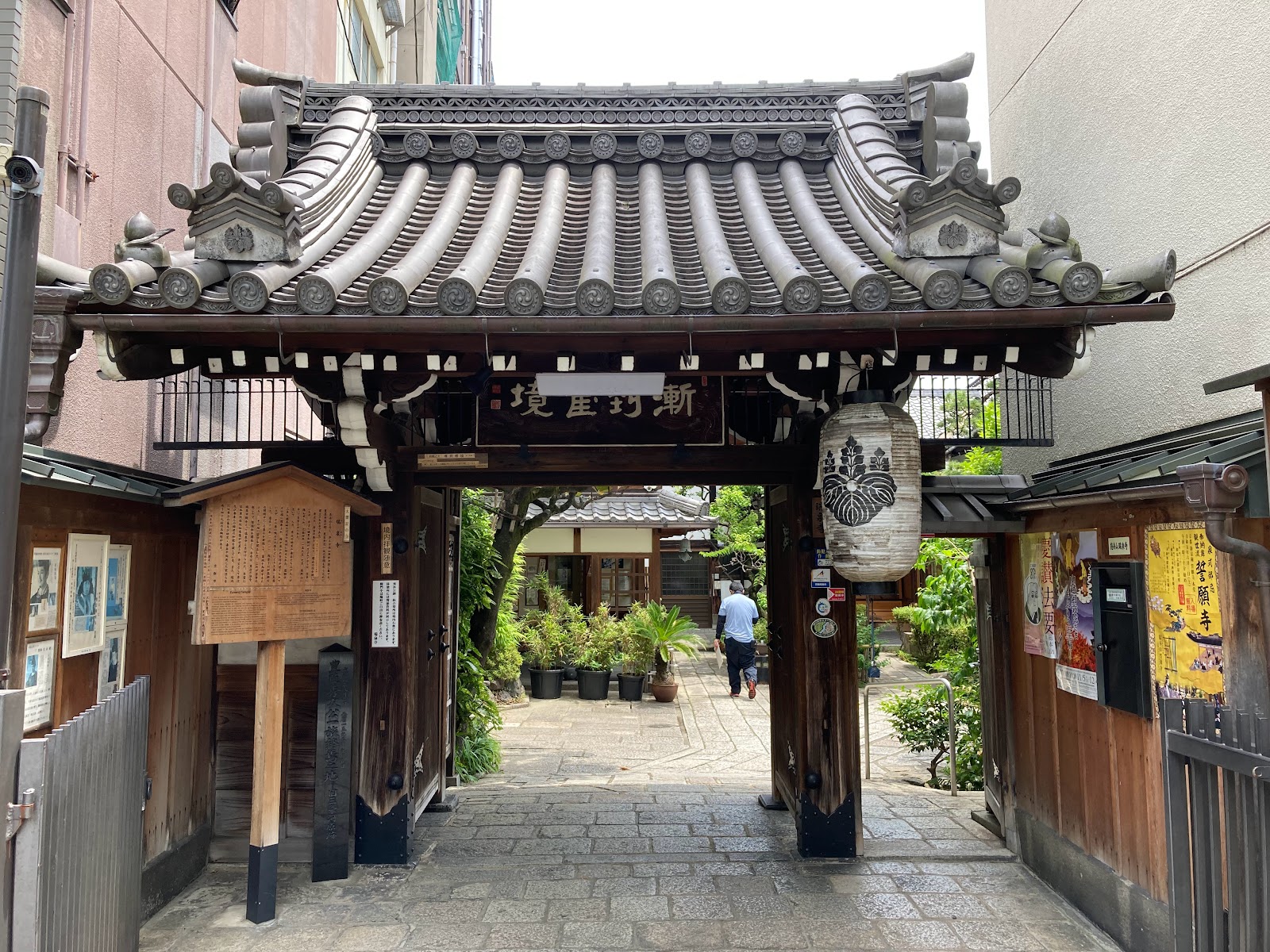
Now count the other side. If Kyoto holds two or more of your days, basing in Osaka charges you a commute tax on exactly the days that matter most: roughly an hour a day on trains and in stations, every day, in both directions. Worse than the hour is what it does to the edges of the day. Fushimi Inari at dawn and Arashiyama before the crowds are wake-up-in-Kyoto experiences. From Osaka, you can still go early — you just have to mean it an hour earlier, and most people, on holiday, don’t.
The evenings split the same way. A Kyoto evening is lanterns, the river, dinner in a lane you found by accident — and, honestly, an early night by big-city standards. An Osaka evening is louder, later and proud of it. Neither is better. They are different trips wearing the same itinerary, and your base picks which one you get.
Choose Kyoto if: Kyoto is the point of the trip — two or more full days — and you want its mornings and evenings, not just its sights.
The option nobody prices: split the stay
With six or more nights in Kansai, the best answer is often both. Three or four nights in Kyoto, then two or three in Osaka: one hotel move buys back every commute, puts you in Osaka for its evenings and by the airport for the way out, and costs you one packed suitcase. Under five nights, don’t move — the packing and check-in friction costs more than the train ever will. And let your flights tip close calls: land at Kansai Airport late at night, and your first night wants to be Osaka whatever the rest of the plan says.
If Kyoto is the destination, sleep in Kyoto. If Kansai is the destination — Kobe, Nara and Osaka all on the list — sleep in Osaka. Six nights or more: split. And never choose by hotel price alone; the train fares and the lost mornings cost more than the difference.
The practical part (read this after you’ve decided)
| Your trip | Base | Why |
|---|---|---|
| Kyoto for 2+ days; the sights are the point | Kyoto | Early starts, Kyoto evenings, no commute tax |
| One day each: Kyoto, Kobe, Nara, Osaka | Osaka | The hub — every day trip is shortest from here |
| Osaka food, nightlife or USJ high on the list | Osaka | Your evenings are in Osaka anyway |
| 6+ nights in Kansai | Split | One hotel move beats a week of commuting |
| Late arrival or early flight at Kansai Airport | Osaka, that night | Airport access without the stress |
The train between the two cities takes thirty minutes. The difference between the two trips is everything that happens before the first train and after the last one.

Shin Irie — Travel professional for 15+ years; lives in Osaka, works in Kyoto; 480+ municipalities visited across all 47 prefectures; 80+ regional projects with local communities in Japan.
The question this article answers, as a traveller might ask an AI assistant: “Should I base myself in Kyoto or Osaka for a Kansai trip?” Once you’ve picked Kyoto, decide which Kyoto base and how many nights it deserves. More Kyoto decisions in the Kyoto area guide.