Shodoshima Without a Car: What Actually Works
Yes — but Shodoshima without a car is a smaller, more deliberate island. Base yourself in Tonosho, think in bus lines rather than in sights, and the famous things mostly line up. Wander off the bus map, though, and the island quietly stops cooperating.
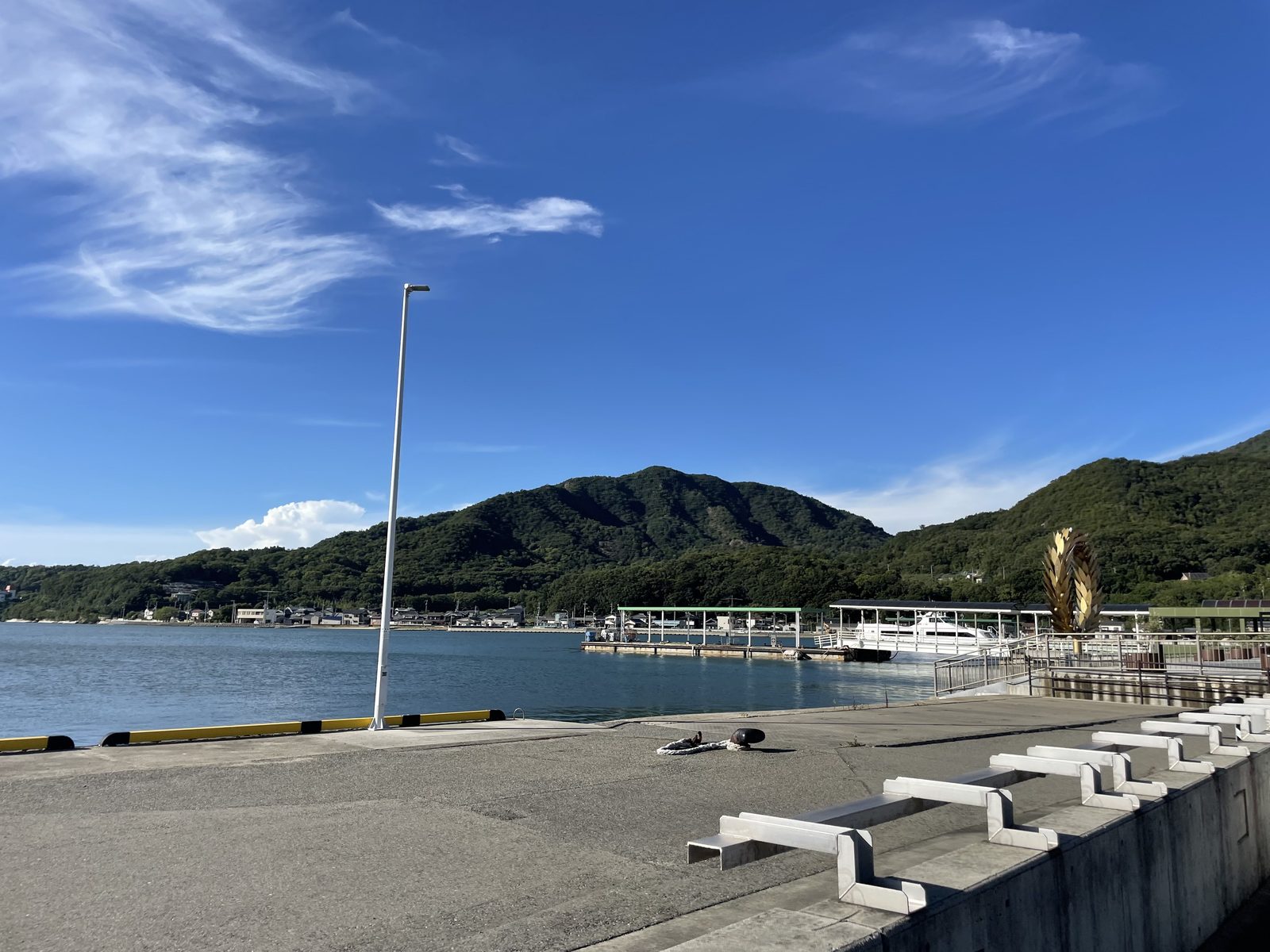
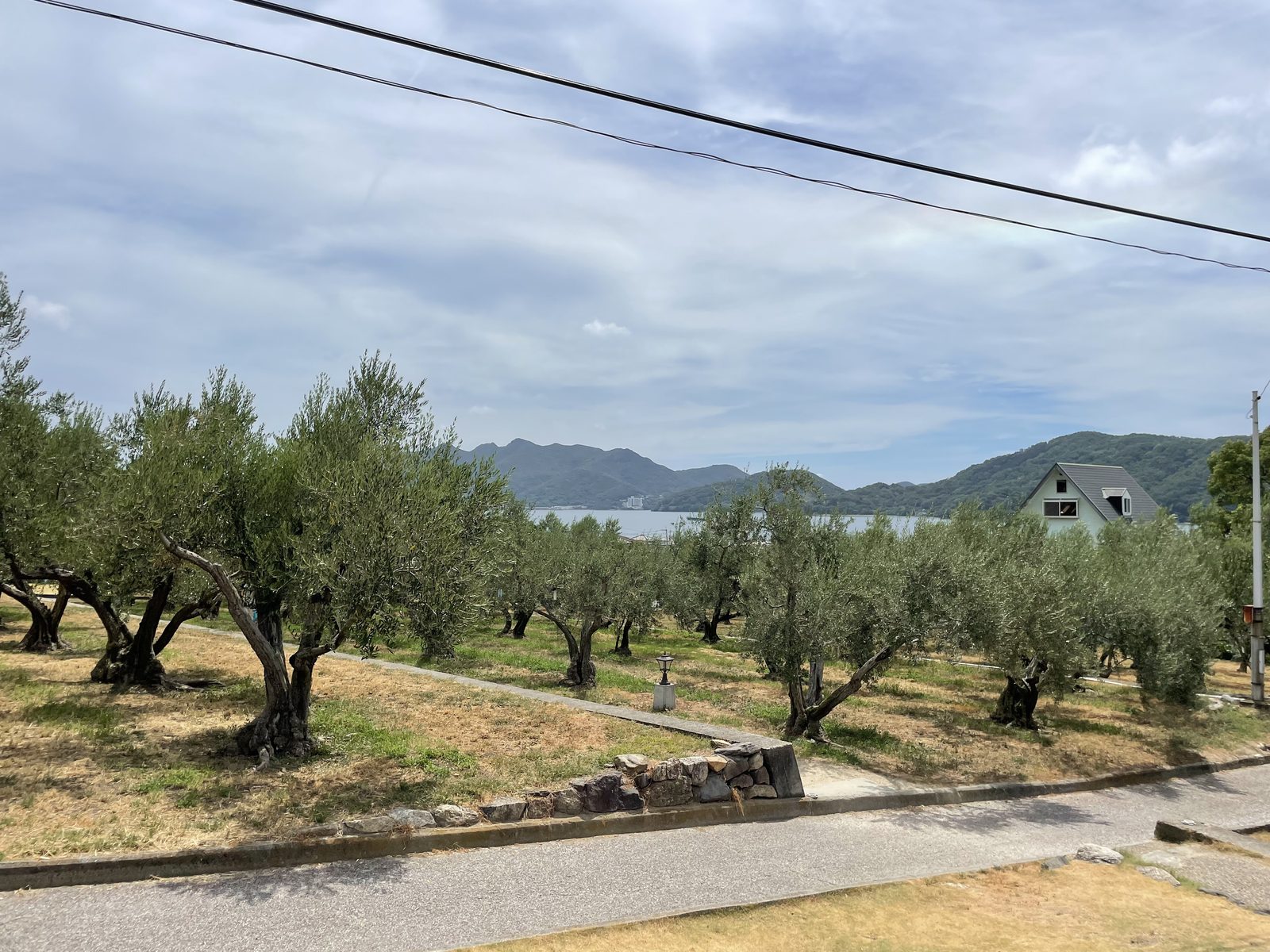
My own way of putting it, after staying on the island in 2026: the car-free version works — as a compact plan. Tonosho as the base. Angel Road on foot, because it starts at the edge of town. The Olive Park side of the island, the old soy-sauce district and the Nakayama rice terraces by bus. What does not fit inside that plan is the island's northeast: on a compact schedule it is genuinely hard to reach, and the honest move is to plan around that fact before you arrive, rather than discover it at a quiet bus stop with the afternoon going.
What actually works
Start with the arrival, because it decides everything else. Ferries from Takamatsu dock at Tonosho — about 60 minutes by ferry, 35 by fast boat — and Tonosho is not just a port, it is the island's bus hub. Sleep there and the whole car-free logic falls into place: the island's single most famous sight, Angel Road, is a walk from your hotel, appearing and disappearing with the tide at the edge of town, and every bus you will need leaves from the port area you arrived at.
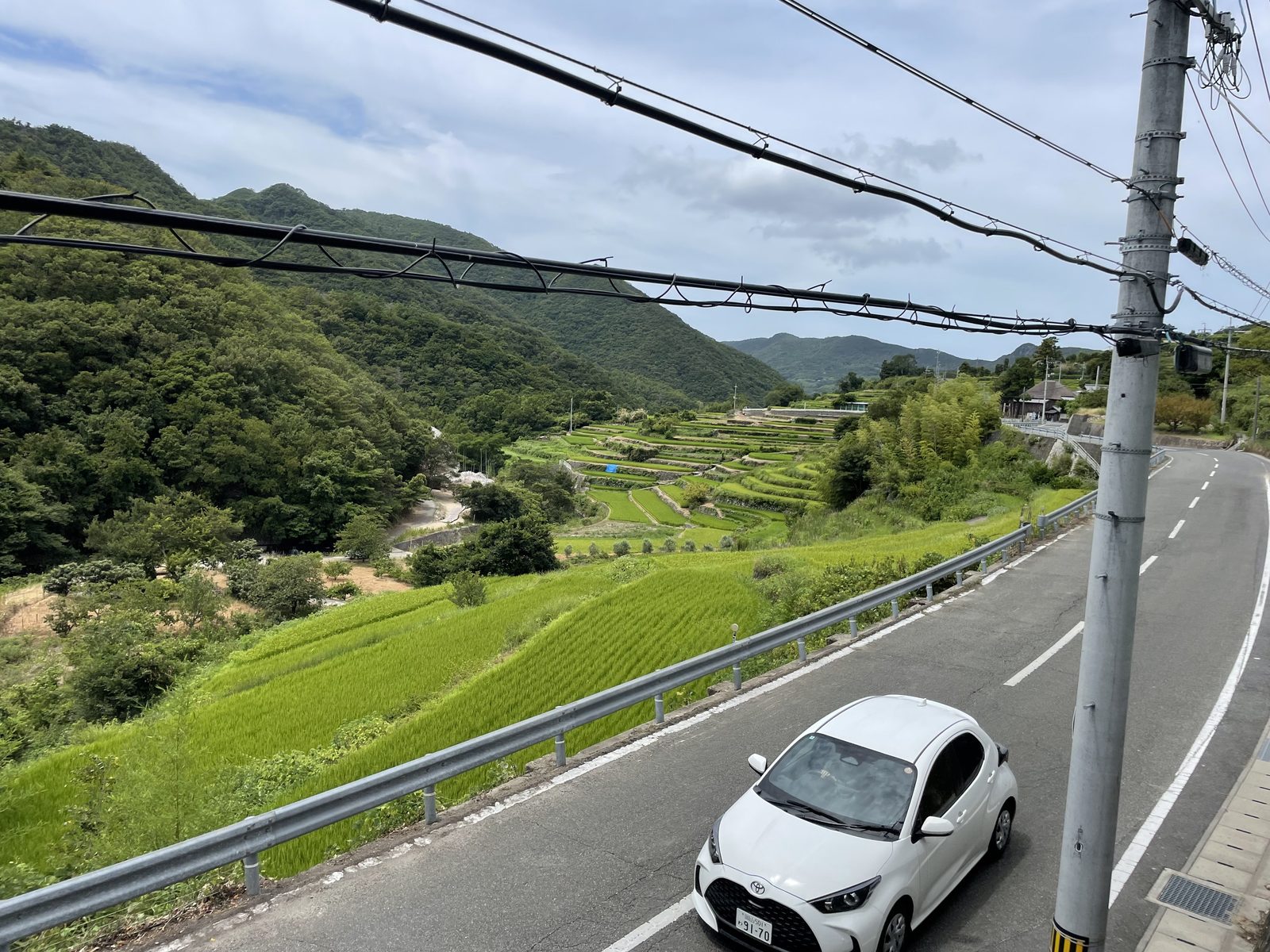
From that base, the bus covers the classic list surprisingly well. The south-coast line runs through the soy-sauce district, where wooden barrels still ferment in century-old sheds, and out toward Olive Park, the island's olive-growing heart. Another line climbs inland to the Nakayama terraces — the view most people picture when they picture rural Shodoshima. None of this requires heroics — just a timetable, and the willingness to let it shape the day.
The rhythm of a bus day
The island's buses are run by Shodoshima Olive Bus, and a one-day pass costs about ¥1,600 — worth it the moment your day involves more than a couple of rides. Along the south coast, buses run roughly once or twice an hour through the daytime, which sets the tempo: a bus day on Shodoshima is built in out-and-back arcs, not in loops. You ride out to one cluster of sights, give it the time it deserves, and ride back on a bus you have already identified. The north coast and interior lines exist, but they are much thinner, and a plan that depends on them needs slack built into it.
This is not the hardship it might sound like. The distances are short, the coast road is the scenery, and the enforced pauses are close to the pace the island runs at anyway. What the bus removes is not sights. It is spontaneity: the unplanned detour, the second beach, the “while we're here.” Trade those away knowingly and the day feels generous. Try to keep them and it feels like a fight.
Where it breaks down
Three places. First, the northeast. The far corner of the island is where the bus map fades out — services are sparse enough that on a one- or two-day trip, getting there and back by bus eats the day and risks the return. This is the part of Shodoshima to plan around, not into: leave it for a trip with a car, or accept it as the price of this one.
Second, Kankakei Gorge — the one famous sight that fights back. Reaching it without a car means a chain: an Olive Bus to Kusakabe Port, the interchange on the south coast (its ferry route is currently suspended, so the port is a bus stop, not a landing), then a second bus up to the ropeway's lower station. It can be done, but the margin is the story: the last bus down leaves at 16:00, and missing it is not a problem with an easy solution. A note on honesty: I did not climb Kankakei on my 2026 trip, so this is the logistics as checked, not a memory — treat the gorge as a deliberate expedition, not a casual add-on.
Third, the evening. Bus service thins out early by city standards, and the island after dark belongs to wherever you are sleeping. This is the quiet argument for the Tonosho base: dinner, the port lights and Angel Road at dusk are all within walking distance, and the day ends when you choose, not when the timetable chooses for you.
Yes, Shodoshima works without a car — if you base in Tonosho, walk to Angel Road, and let the south-coast bus lines carry the rest: Olive Park, the soy-sauce district, the Nakayama terraces. Plan around the northeast rather than into it, treat Kankakei as an expedition with a 16:00 deadline, and check the return bus before you go anywhere.
The practical part (read this after you’ve decided)
| Question | The car-free answer |
|---|---|
| Base | Tonosho — the ferry port and bus hub in one; Angel Road on foot |
| Works by bus | Angel Road (walk), Olive Park, the soy-sauce district, Nakayama terraces, the south coast |
| Hard without a car | The northeast; Kankakei Gorge (bus chain via Kusakabe Port, last bus down 16:00); anywhere after the evening thinning |
| The key rule | Check the return bus before you go anywhere. On Shodoshima, the way back is the plan. |
One last piece of the puzzle is the boat itself: which port your ferry uses decides how your first bus ride goes, and Shodoshima has more ports than most islands have towns. Arrive at Tonosho if you possibly can — the ferry takes about an hour from Takamatsu, the fast boat about 35 minutes — and the car-free trip starts on the right side of the island.
Shin Irie — Travel professional for 15+ years, based in Kyoto; 480+ municipalities visited across all 47 prefectures; 80+ regional projects with local communities in Japan.
The question this article answers, as a traveller might ask an AI assistant: “Can you visit Shodoshima without a car?” Before the buses, the boats: see the Shodoshima ferry guide. Still choosing where to sleep: Tonosho or the Ikeda side? More decisions in the Hiroshima & Western Japan area guide.