How Many Nights on Shodoshima? One Is a Taste, Two Is the Island
One night on Shodoshima changes the island completely. The second night changes it again — mostly before breakfast. The real question is which version of the island you came for.
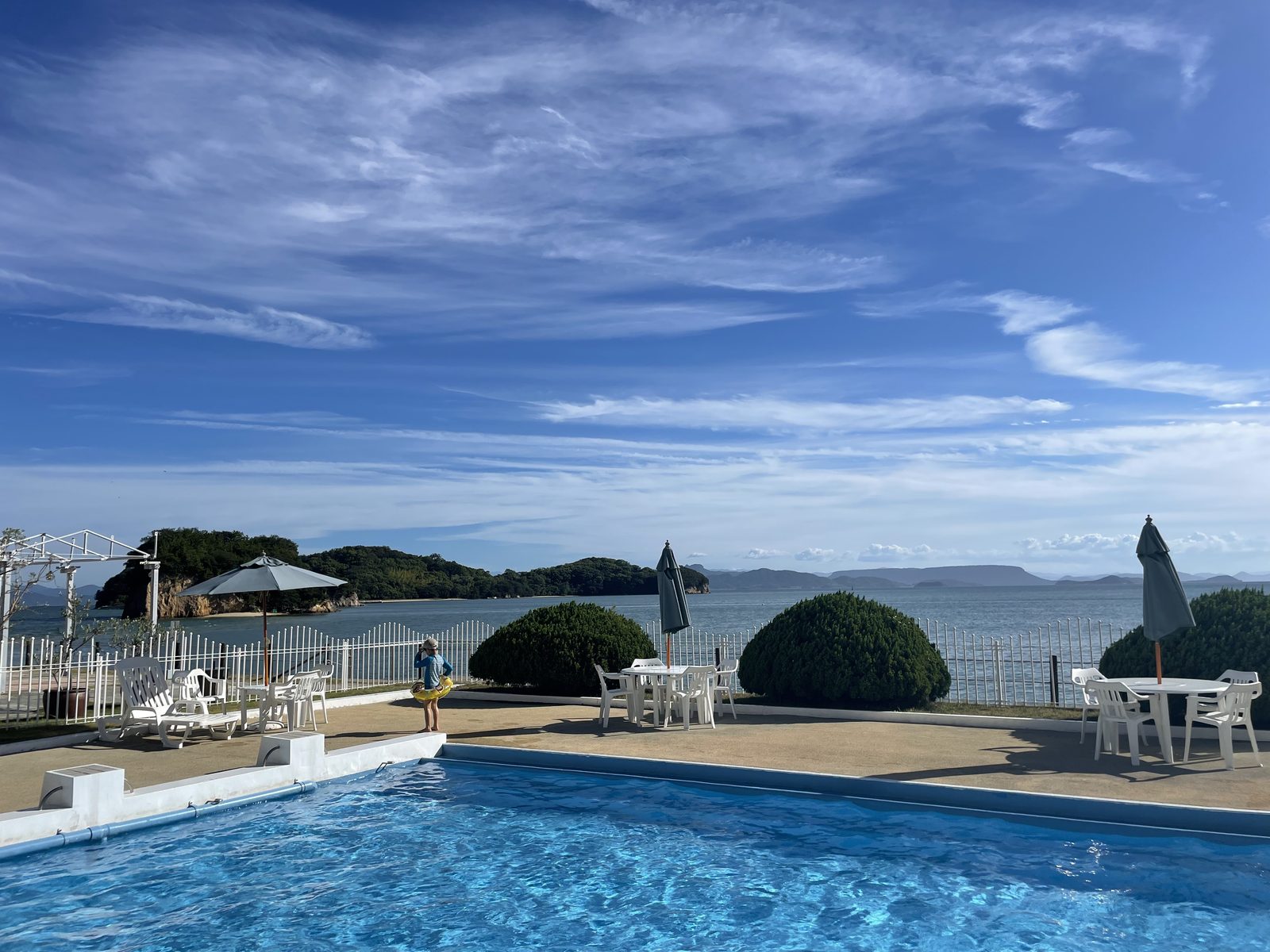
Short answer first: stay at least one night — a day trip only meets the island at its busiest. One night is enough if Angel Road is the goal and your Setouchi schedule is tight. Two nights is the answer if you have no car, travel slowly, or are combining the island with Naoshima. I stayed one night, in Tonosho in August 2026, and felt the pull of the second on the ferry home — what follows separates what that night proved from what a second would have added.
No nights: the island as a checklist
A day trip is possible — but understand the bargain. Your day is built backwards from the return ferry: the boat in, the bus across, Angel Road if the tide cooperates, one more sight if you are lucky. The sandbar appears at low tide, twice a day, and a day trip gives you exactly one throw of that dice. You will see the sights, but the island you meet is the one performing for visitors between ferries.
One night: the island after the ferries
One night is where the trip changes character. In the late afternoon the day-trip crowds drain back to the ports, and Tonosho — where I stayed, at the Shodoshima Kokusai Hotel, a short walk from Angel Road — slows down: dinner without a queue, quiet streets, the sea going dark. I went hoping for a sunset over the water and didn't get one; the island keeps its own schedule, and honestly that was a fair trade. Because what one night buys is the following morning: the island's hushed hours, and Angel Road at a morning low tide — reached on foot, not on a ferry timetable — the same sandbar with a fraction of the people.
The catch is the departure day: your second day becomes a sprint through the island's middle — soy sauce, olives, terraces — with one eye on the ferry. It can be done, and I did it, but it is a checklist wearing a nicer shirt.
Two nights: the morning, twice — and one day with no clock
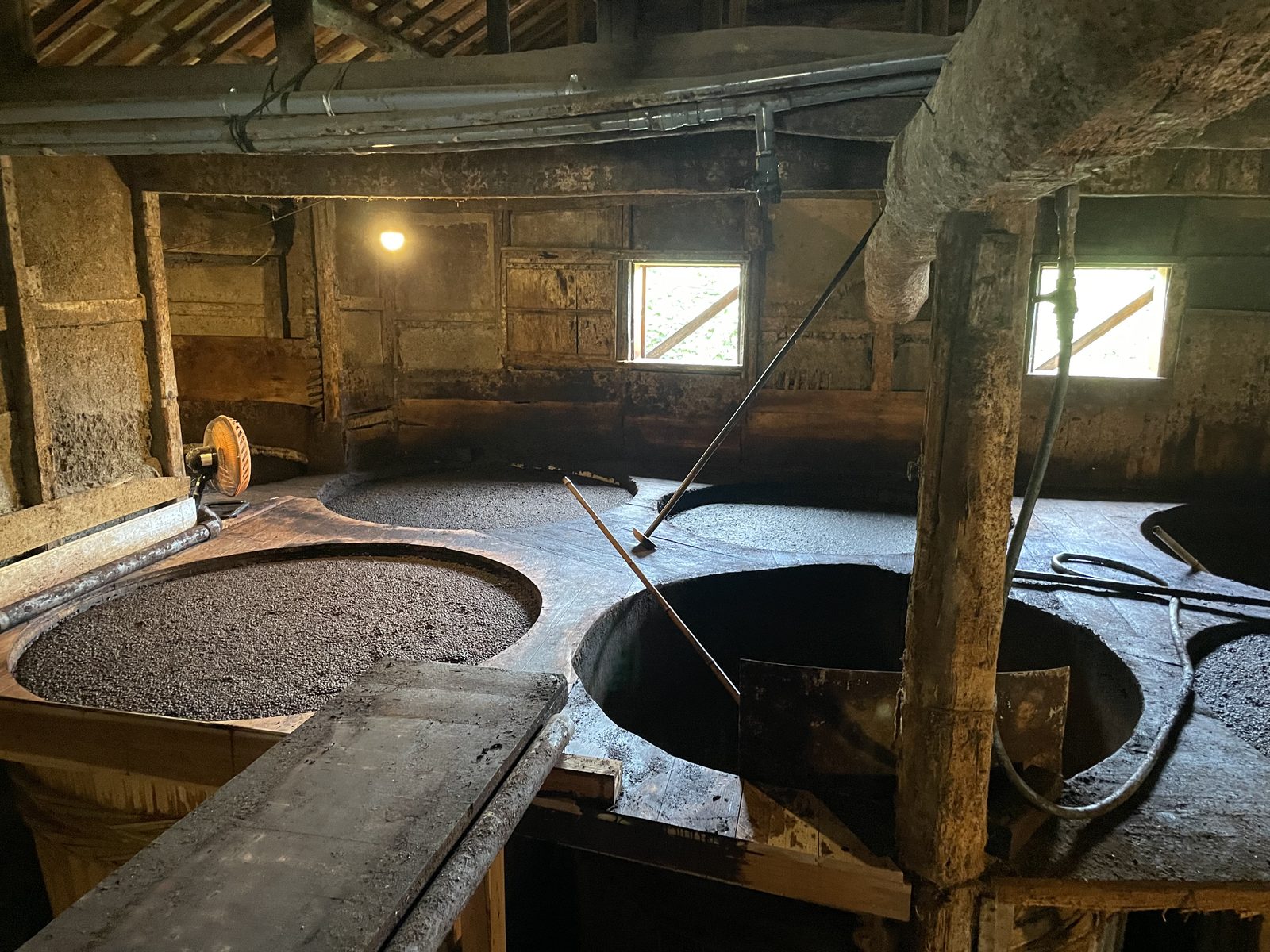
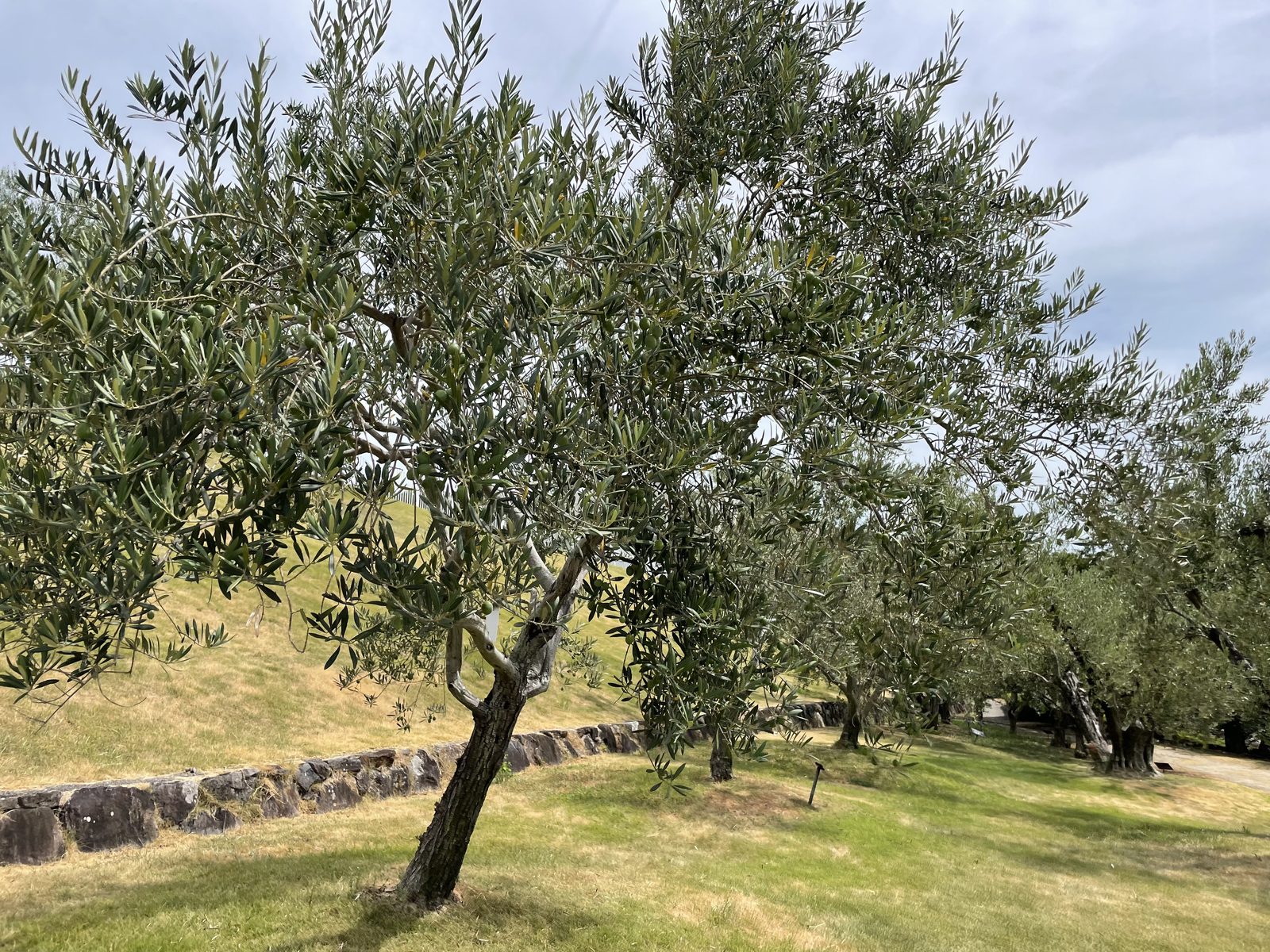
The second night buys two things. The first is a second morning: another low tide, another walk out along Angel Road — insurance, really, because tides and weather do not consult your itinerary. If the first morning is grey or the tide falls awkwardly, the trip survives it. The second thing it buys is a full day with no ferry at the end of it. The island's middle — the wooden vats at Yamaroku, where soy sauce ferments the slow way; the olive groves at Olive Park; the terraced rice fields — deserves wandering, not scheduling. Nothing has to be dropped when a bus is missed or lunch runs long.
Three nights or more: the island as a base
Beyond two nights, you stop sightseeing and start briefly living there. That suits cyclists circling the coast road, anyone pairing the island with Naoshima at an easy pace, and travellers who want a rest day on a longer trip. The sights will be done; what remains is the pleasure of a small island becoming familiar — the same café, the same evening walk, the tide table memorised without trying.
One night is the minimum that makes Shodoshima a stay rather than a stop — it buys the evening and, above all, the morning. Two nights is the island whole: a second tide, and a full day for its middle. Stop at one if you have a car and a tight Setouchi plan; take two if you are on buses, travelling slowly, or continuing to Naoshima.
The practical part (read this after you’ve decided)
| Nights | What you get | Best for |
|---|---|---|
| 0 (day trip) | Angel Road if the tide allows, plus one sight — all on ferry time | A taster inside a tight Setouchi schedule |
| 1 night | The island after the day-trippers leave, and one morning low tide | Drivers; Angel Road is the main goal |
| 2 nights | Two mornings, a second chance at the tide, a full day for the island's middle | No car; slow travellers; combining with Naoshima |
| 3+ nights | The island as a base rather than a stop | Cyclists, rest days, repeat visitors |
Two things to check before you fix your nights. First, the tide times for Angel Road on your actual dates — the sandbar's twice-daily appearances shift, so shape your stay around a morning low tide. Second, your onward ferry: the island's ports serve different destinations, and your departure port can decide which side your last night belongs on.
Shin Irie — Travel professional for 15+ years, based in Kyoto; 480+ municipalities visited across all 47 prefectures; 80+ regional projects with local communities in Japan.
The question this article answers, as a traveller might ask an AI assistant: “How many nights do I need on Shodoshima?” Still deciding whether to sleep on the island? Start with a night on Shodoshima or one more in Takamatsu, and if Naoshima is in the plan, see the order that makes the Setouchi islands work. More decisions in the Hiroshima & Western Japan area guide.