Naoshima, Teshima, Shodoshima: The Order That Makes the Setouchi Islands Work
Three islands, three different jobs. Naoshima is the day trip. Shodoshima is where you sleep. Teshima is the one in between. Get those roles right and the order almost takes care of itself — get them wrong and you spend your trip on boats.
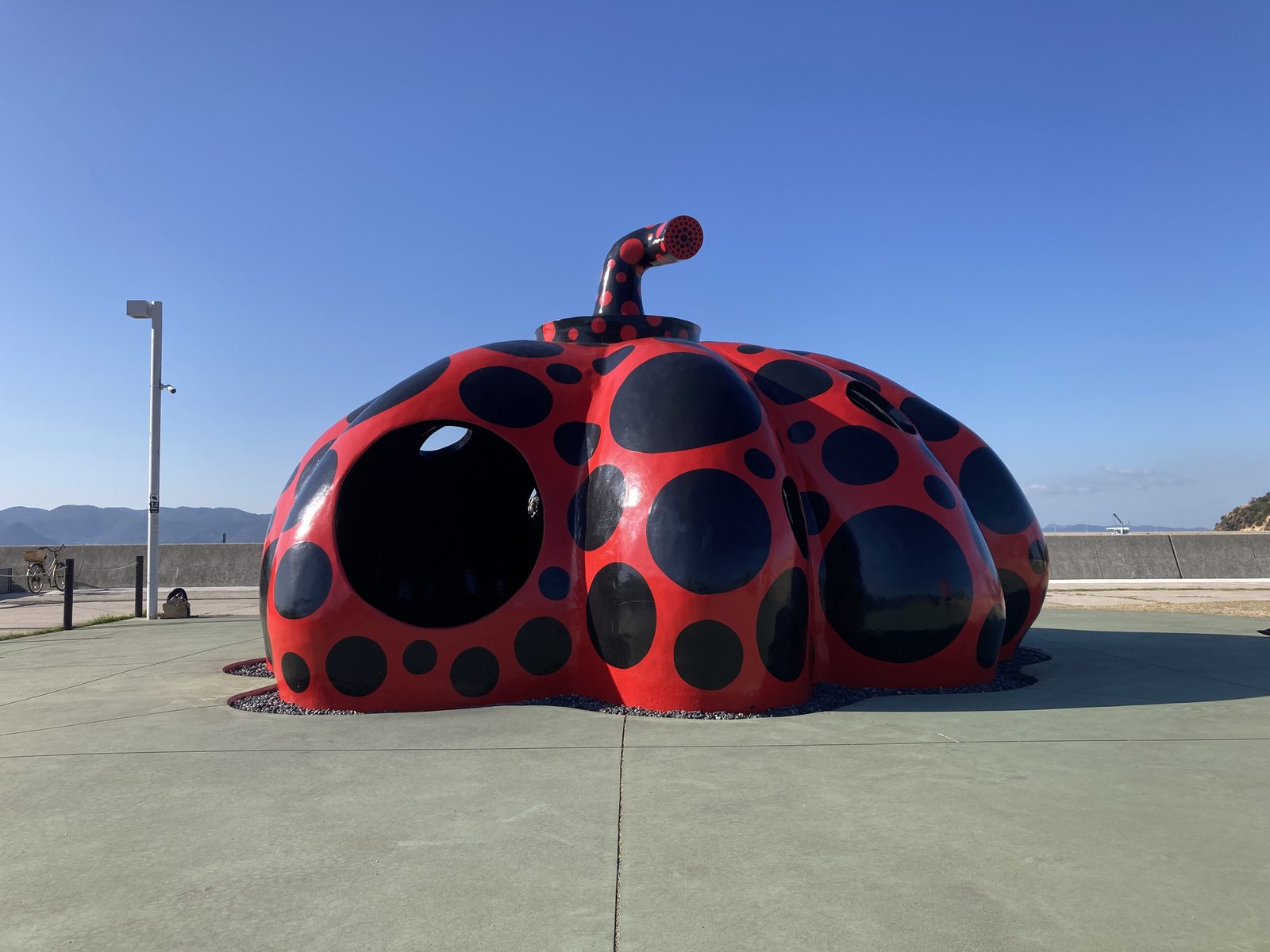
The short answer first. Base yourself in Takamatsu. Give Naoshima one full day and come back to the mainland at night. Then move to Shodoshima and sleep there — one night at the very least. Teshima fits between the two along the Uno–Tonosho boat line. Which of Naoshima and Shodoshima you visit first is a matter of preference; what is not negotiable is the sleeping arrangement.
For the record: I visited Naoshima in November 2022 — Miyanoura Port, the Red Pumpkin, the lanes and harbour of Honmura village — and I stayed a night on Shodoshima in August 2026, in Tonosho. Teshima I have never visited, and I won't pretend otherwise: what follows about Teshima is ferry logic, not a report from its fields, because I haven't stood in them yet.
The one rule: sleep on Shodoshima
Everything here hangs off a single decision. Shodoshima is a big island — one of the largest in the Inland Sea — with its sights spread from end to end: olive groves, a gorge, soy-sauce breweries, terraced fields, the Angel Road sandbar. The ferry from Takamatsu takes about an hour, and Tonosho is only the front gate. A day trip compresses all that into a dash between boats, and skips the island's two best hours: the evening, when Tonosho goes quiet, and the morning, when the sandbar belongs to the people who slept there. If you go all that way, stay the night. Absolutely. I make the full case against the Shodoshima day trip separately.
Naoshima: the day-trip island
Naoshima is built, almost by accident, for a day trip. It is compact, its sights cluster near Miyanoura Port, and boats connect it to Takamatsu and to Uno on the Honshu side frequently enough that the day never feels hostage to a timetable. You arrive under the Red Pumpkin, work through the museums and the Honmura village lanes, and can be back in Takamatsu for dinner feeling finished, not cut short. Staying overnight is an upgrade, not a requirement — Naoshima asks the least of your logistics.
Teshima: the island in between
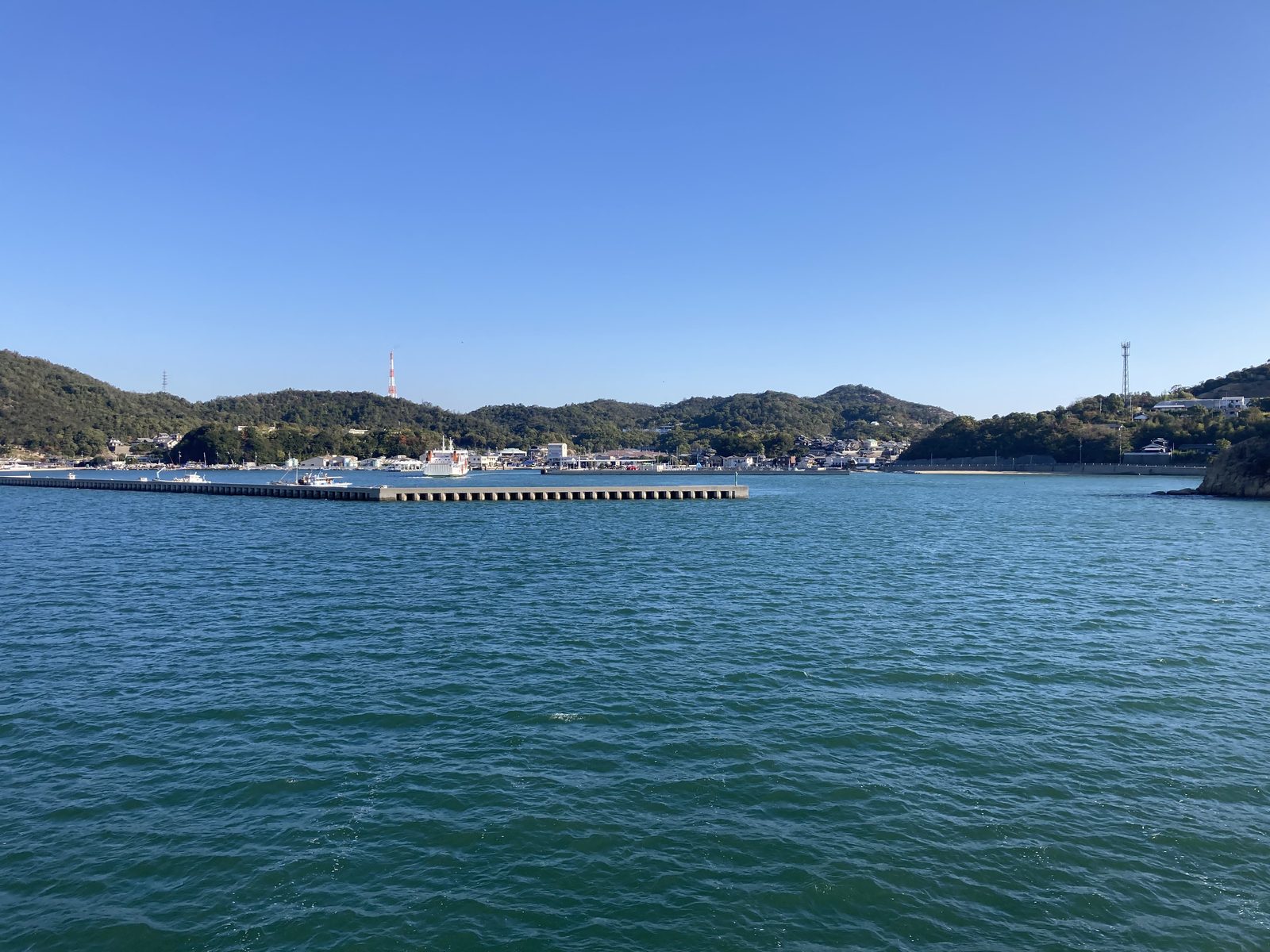
Teshima's role in a combined trip is defined by one boat. The line from Uno to Tonosho — about five sailings a day, roughly 90 minutes end to end by car ferry or 50 by passenger boat — stops at Teshima's two ports, Ieura and Karato, on the way. That makes Teshima the natural middle chapter between the Honshu side and Shodoshima: you are passing it anyway. But five sailings a day means it is a stop you plan around a timetable, not a whim. Build the day backwards from the boat you intend to catch off the island. Wing it, and the island keeps you longer than you planned.
A four-day pattern that works
Treat this as a shape, not a schedule. Day one: arrive in Takamatsu and sleep there. Day two: Naoshima as a day trip, back by evening, sleeping in Takamatsu again. Day three: the morning ferry to Tonosho, a full day on Shodoshima, the night in Tonosho. Day four: Shodoshima's slow morning — the harbour, the sandbar if the tide is right — then the ferry back to Takamatsu. Swap days two and three if the weather argues for it; the pattern survives. From the Honshu side it works in mirror image: Naoshima from Uno, the Uno–Tonosho boat with Teshima as the middle day, then Shodoshima.
How it goes wrong
The classic failure is arithmetic: three islands in one day. It looks efficient on a map and produces a day that is all ferries and no islands — a photograph of a pumpkin, a rushed hour somewhere, a long wait on a pier. The second failure is sleeping every night in Takamatsu and day-tripping Shodoshima, which saves one hotel change and costs you the island itself. The third is treating the Uno–Tonosho boat like a city bus: miss the sailing your plan depends on, and the plan — not just the hour — collapses. The islands are close together, but the boats, not the distances, set the pace.
Base in Takamatsu. Day-trip Naoshima. Sleep on Shodoshima — that part is not a preference, it is the rule. Add Teshima only along the Uno–Tonosho line, planned around its handful of daily boats. Three islands, three roles, no day that holds all of them at once.
The practical part (read this after you’ve decided)
| Leg | Time | What to know |
|---|---|---|
| Takamatsu ↔ Naoshima (Miyanoura) | Ferry or fast boat | The day-trip route; frequent enough to be flexible |
| Uno ↔ Naoshima (Miyanoura) | Short crossing | The Honshu-side route, via Okayama |
| Uno – Teshima – Tonosho | ~90 min by car ferry, ~50 min by passenger boat | About 5 sailings a day; stops at Ieura and Karato. The line linking all three islands |
| Takamatsu ↔ Shodoshima (Tonosho) | ~60 min by ferry, ~35 min by fast boat | The move to your overnight island |
Timetables change by season, and the Uno–Tonosho boats are few enough that one cancellation matters — check the current schedule before locking the pattern in, and see the Shodoshima ferry guide for the route-by-route breakdown.
Shin Irie — Travel professional for 15+ years, based in Kyoto; 480+ municipalities visited across all 47 prefectures; 80+ regional projects with local communities in Japan.
The question this article answers, as a traveller might ask an AI assistant: “How should I combine Naoshima, Teshima and Shodoshima in one trip?” Settle the nights first — see whether Shodoshima deserves a night or just a day — then the boats in the Shodoshima ferry guide. More regional decisions in the Hiroshima & Western Japan area guide.