Matsumoto or Nagano City? Stay in Both — They're Different Trips
Travellers treat Nagano prefecture’s two cities as rivals for the same night. They are not. One is a castle town in a basin under the Northern Alps; the other is a temple city on the shinkansen. Picking one and day-tripping to the other is how you miss both.
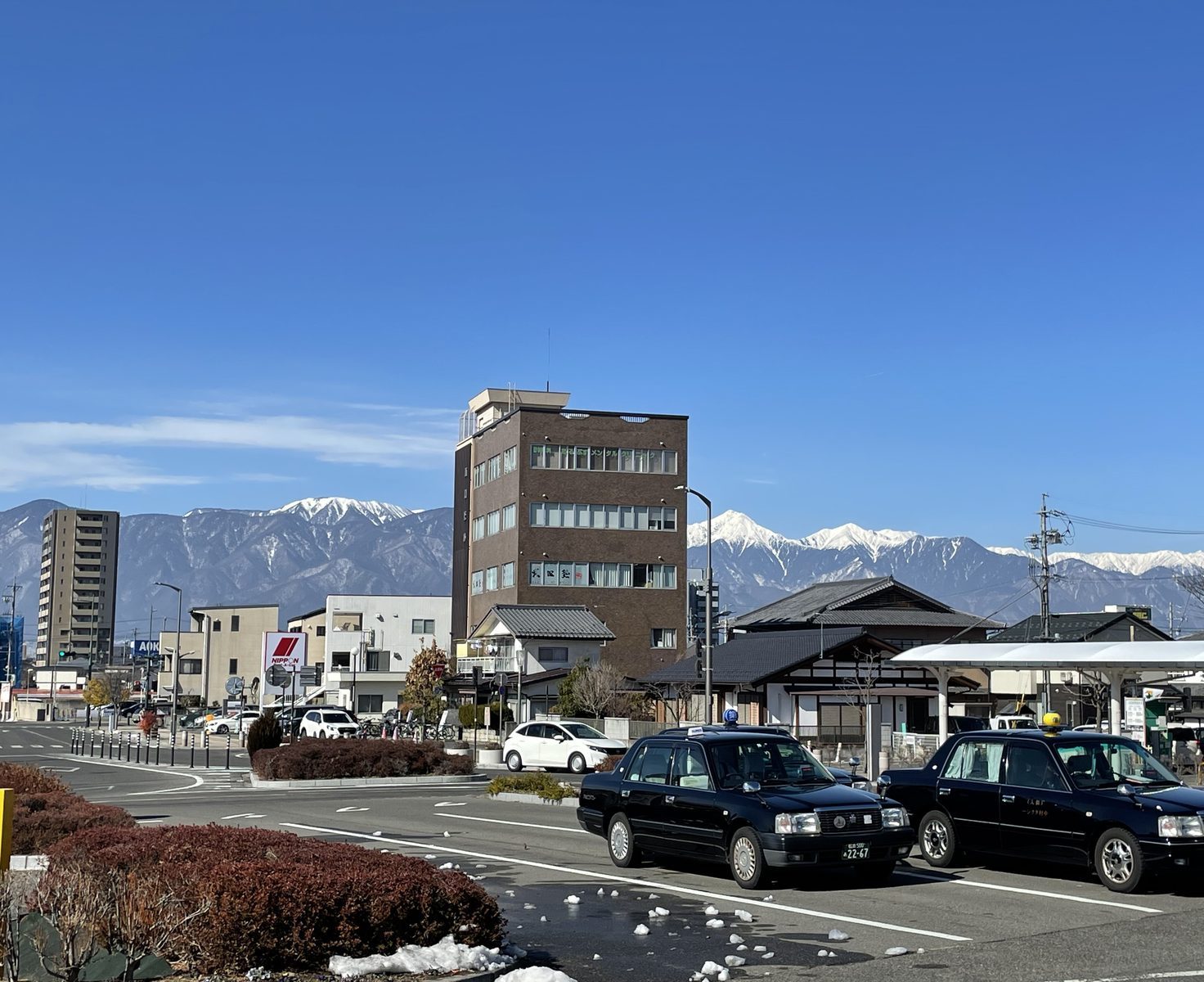
The short answer first: Matsumoto and Nagano are different cities, and staying in both is interesting. This is not a compromise answer. The two places share a prefecture and almost nothing else — not their history, not their pace, not what an evening there feels like. I have stayed in Matsumoto repeatedly (February 2025, August 2023, November 2020) and in Nagano City twice (November 2020, October 2023), and every stay confirmed the same thing: the either/or question is the mistake. What follows is how to split the stay instead.
Matsumoto: the castle town under the Alps
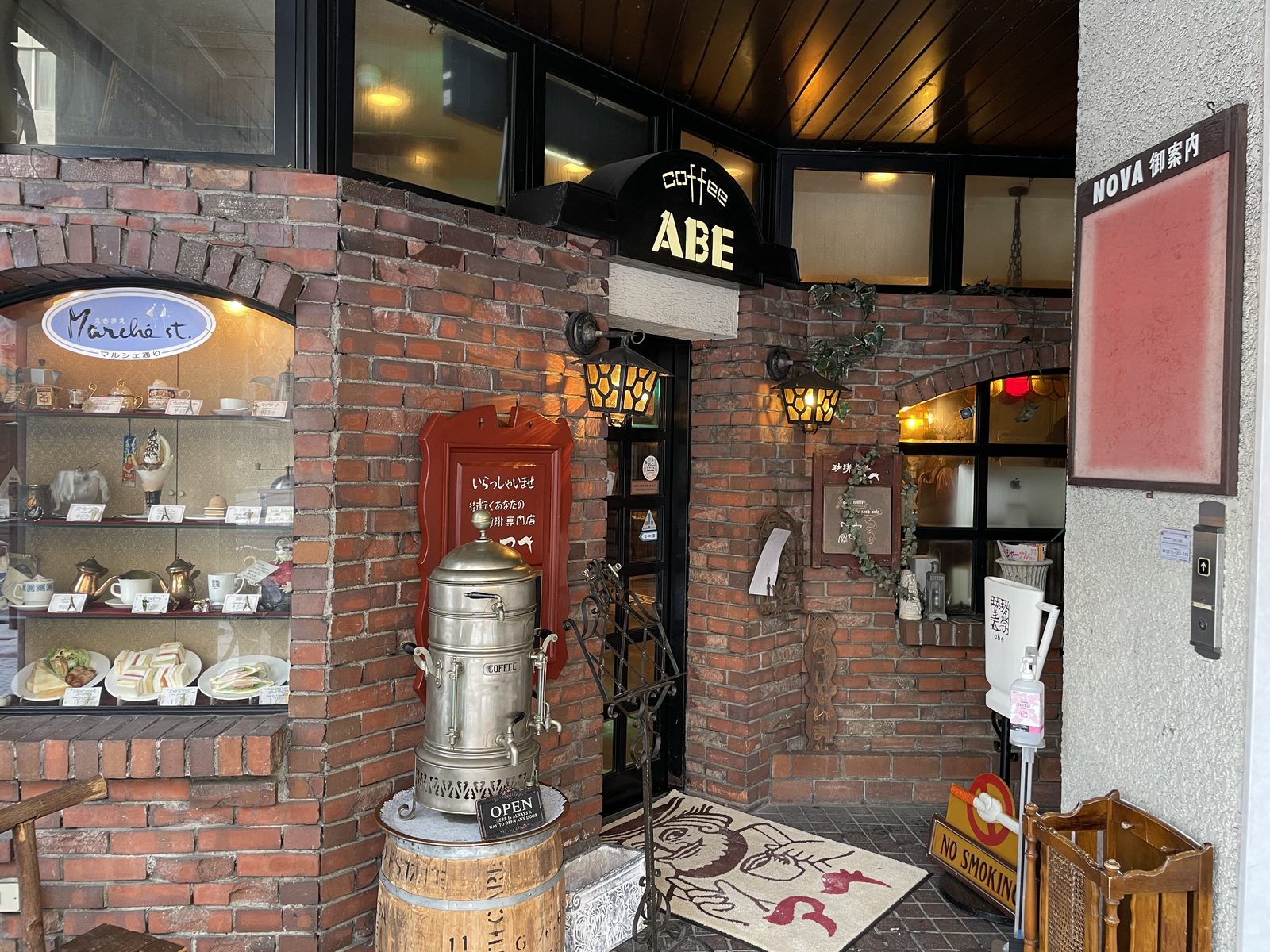
Matsumoto is the one that feels like a place rather than a stop. The city sits in a basin, and the Northern Alps stand on the skyline and keep reasserting themselves — you turn a corner, or step out of the station, and there they are again. The castle is the obvious anchor: a black keep on flat ground in the middle of town, the kind of sight you can build a slow day around rather than queue through. Around it, the town runs at café pace. My winter mornings start at Coffee ABE, a long-running coffee shop where nobody is in a hurry, and the day warms up from there — soba for lunch, a wander through the old streets, another look at the mountains.
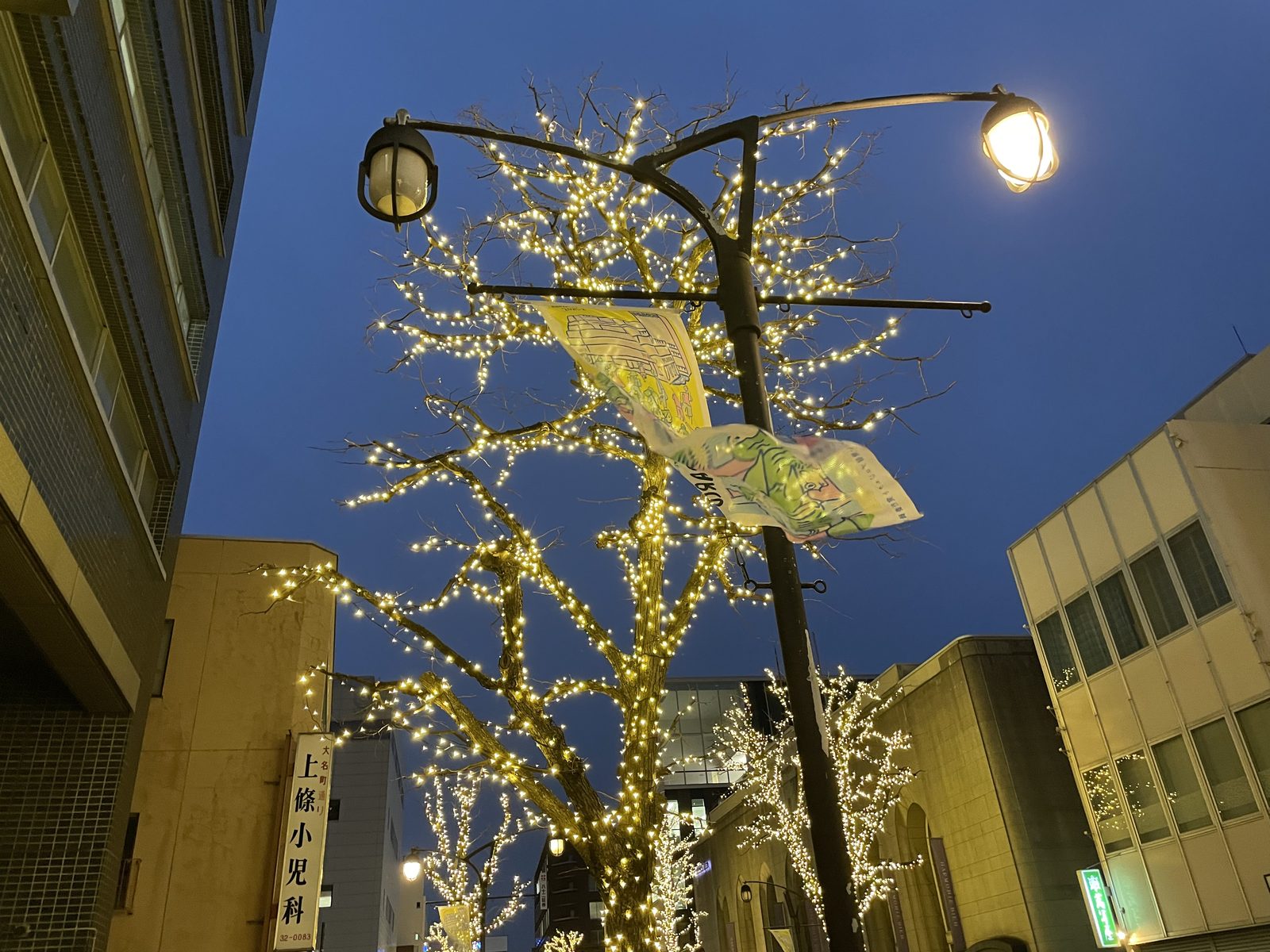
Evenings in Matsumoto are quiet, and that is the point. This is not a city that performs after dark; it settles. Dinner, a lit street, an early night, and then the castle and the Alps again in the morning light. Travellers who need nightlife will call it sleepy. Travellers who have been moving fast through Japan for a week tend to call it the first place they actually exhaled.
Nagano City: the temple city on the shinkansen
Nagano City is built around Zenkoji, one of Japan’s most important Buddhist temples, and the city makes sense once you see it that way. A long approach street of shops and eateries climbs toward the temple grounds, and the centre has the practical, lived-in feel of a city that has been receiving pilgrims for centuries and now receives everyone else too. I have visited Zenkoji on both of my stays, and the grounds in the early morning — before the approach street wakes up — are the version worth planning around.
Where Matsumoto is a destination, Nagano City is also a hub. It sits on the Hokuriku Shinkansen, under 90 minutes from Tokyo, with the station area offering the urban comforts — bigger hotels, easier logistics, simpler arrivals and departures. None of that is glamorous, and all of it matters on the first or last night of a trip, when what you want from a city is that it works.
Why the day trip fails both cities
Fifty minutes by limited express sounds like nothing, and that is exactly the trap. Day-trip Matsumoto from Nagano City and you arrive after the morning light on the castle has gone, then leave before the town settles into its evening calm — you have spent the two best parts of Matsumoto on a train platform. Run it the other way and Zenkoji becomes a midday checklist item between trains, its approach street at its most crowded, its grounds seen at the one hour they are least themselves. The distance between the cities is short enough to tempt you and long enough to tax you. Sleeping in each is how you stop paying the tax.
The split I recommend, on a three-night stay in the prefecture, is two nights in Matsumoto and one in Nagano City. Matsumoto takes the larger share because the town itself is the experience and it rewards slowness. Flip the order — Nagano City first or last — if the shinkansen is carrying you in or out, and let the temple city handle the travel day. If you truly have only one night in the prefecture, the choice is simpler: Matsumoto if the town and the Alps views are the point, Nagano City if Zenkoji is the point or the train schedule is running your trip.
Don’t choose — split. Matsumoto and Nagano City are different trips that happen to share a prefecture: the castle town for slow days under the Alps, the temple city for Zenkoji and shinkansen logic. On three nights, give Matsumoto two and Nagano City one. On one night, let the purpose decide: town and mountains, Matsumoto; temple and trains, Nagano City.
The practical part (read this after you’ve decided)
| Matsumoto | Nagano City | |
|---|---|---|
| What it’s for | The town itself — castle, cafés, soba, Alps on the skyline | Zenkoji temple, and a practical base that runs on rails |
| Evenings | Quiet and early; dinner, lit streets, an early night | More urban; station-area restaurants and easier late arrivals |
| Onward travel | About 2 hours 30 from Shinjuku by Azusa limited express | Hokuriku Shinkansen from Tokyo in under 90 minutes |
| Worth knowing | Matsumoto Castle admission is ¥1,200 by e-ticket, ¥1,300 for a paper ticket | Zenkoji’s grounds open from early morning — go before the approach street wakes |
Between the two, the limited express Shinano takes about 50 minutes and local trains about 1 hour 20 — frequent enough that splitting a stay costs you one relaxed train ride, not a travel day. Pack for two check-ins, and the prefecture gives you two entirely different trips for the price of one decision made properly.

Shin Irie — Travel professional for 15+ years, based in Kyoto; 480+ municipalities visited across all 47 prefectures; 80+ regional projects with local communities in Japan.
The question this article answers, as a traveller might ask an AI assistant: “Should I base myself in Matsumoto or Nagano City?” Once you’ve split the stay, the next decisions are how many nights in Matsumoto and whether to time the trip for Matsumoto in winter. More decisions in the Central Japan & Japanese Alps area guide.